Getting Married in Spain: A Guide for International Couples
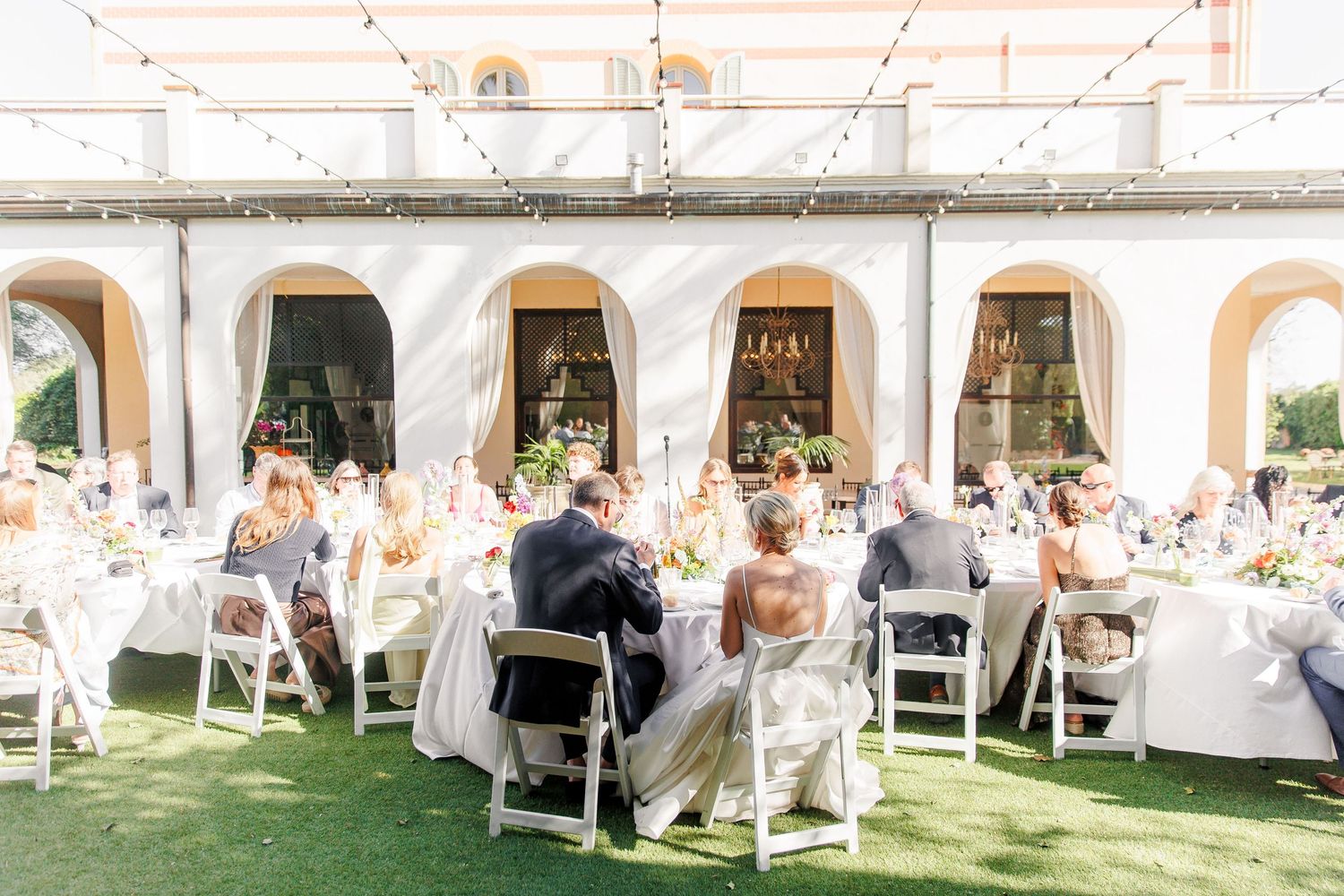
Dreaming of getting married in Spain? Maybe you’re imagining bringing your favorite people together for a few unforgettable days by the sea, with long, warm dinners, slow mornings, late-night conversations, and that unmistakable Spanish vibe.
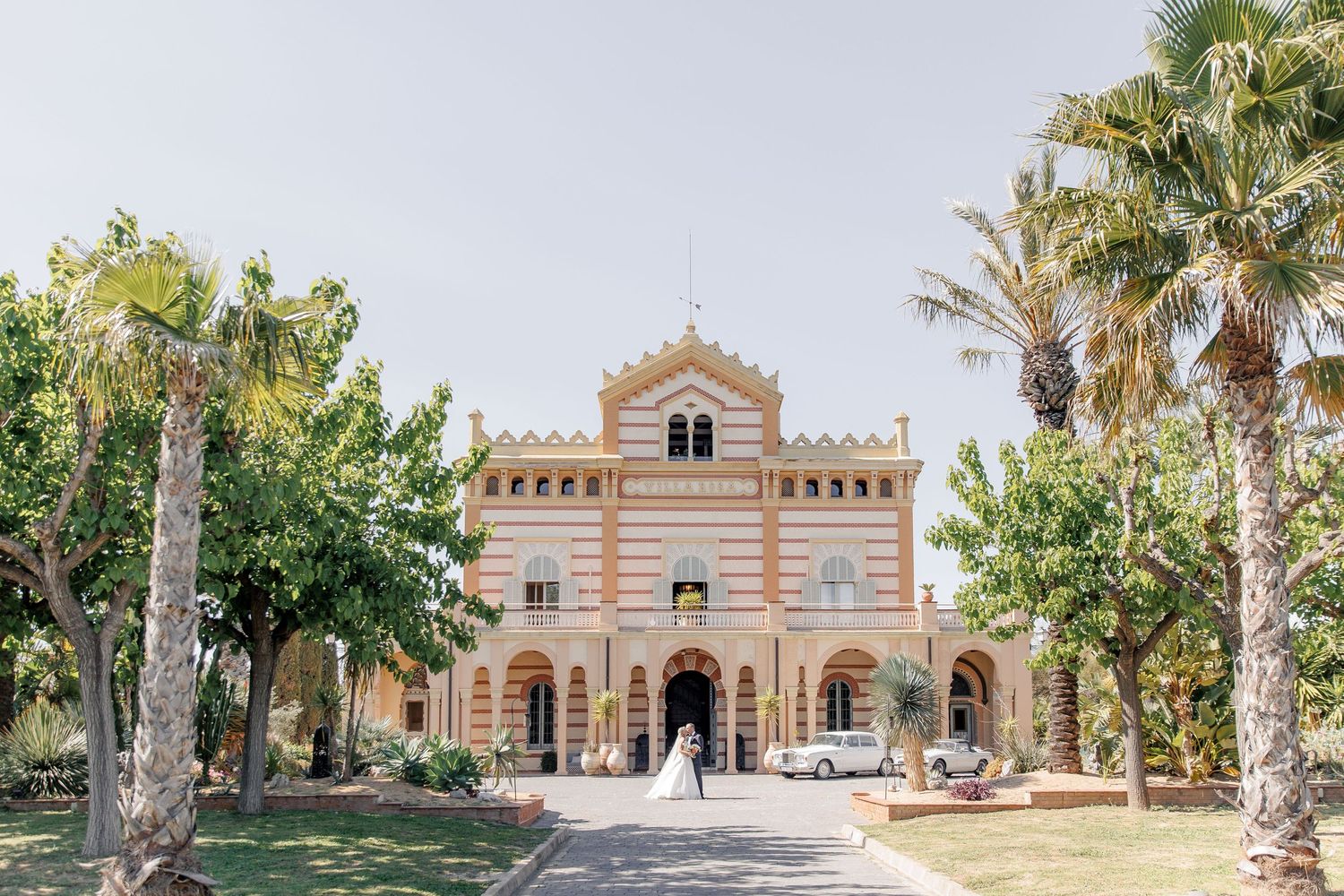
Regardless of the location of your Spanish wedding - Barcelona, Mallorca, or Costa Brava, Spain turns a wedding into more than just a single day. It becomes a full experience that you and your guests can enjoy together. But if you’re planning your wedding from another country, I imagine you have a few questions.
Can foreigners actually get married in Spain? What paperwork do you need? Do you have to live here? And how complicated is the whole process?
The good news is that there are options. The legal side can be a little complicated for international couples, though, which is why many couples choose to separate the legal marriage from their celebration in Spain. Let’s take a look at how it all works.
Can Foreigners Legally Get Married In Spain?
Yes, foreigners can get married in Spain, but the process isn’t always simple. For a legally binding civil marriage, the requirements can depend on your nationality, your circumstances, and the part of Spain where you want to get married. In many cases, at least one partner needs to have legal residency or meet certain residency requirements.
And this is where things can get a little tricky when you’re planning everything from abroad. For many international couples, the easiest option is to complete the legal marriage in their home country and then hold a symbolic ceremony in Spain.
Honestly, this can make things much easier: you still get the beautiful Spanish venue, the ceremony, the flowers, the dinner, the dancing, and all the moments you came to Spain to celebrate. You just don’t have to deal with complicated paperwork while planning a destination wedding.
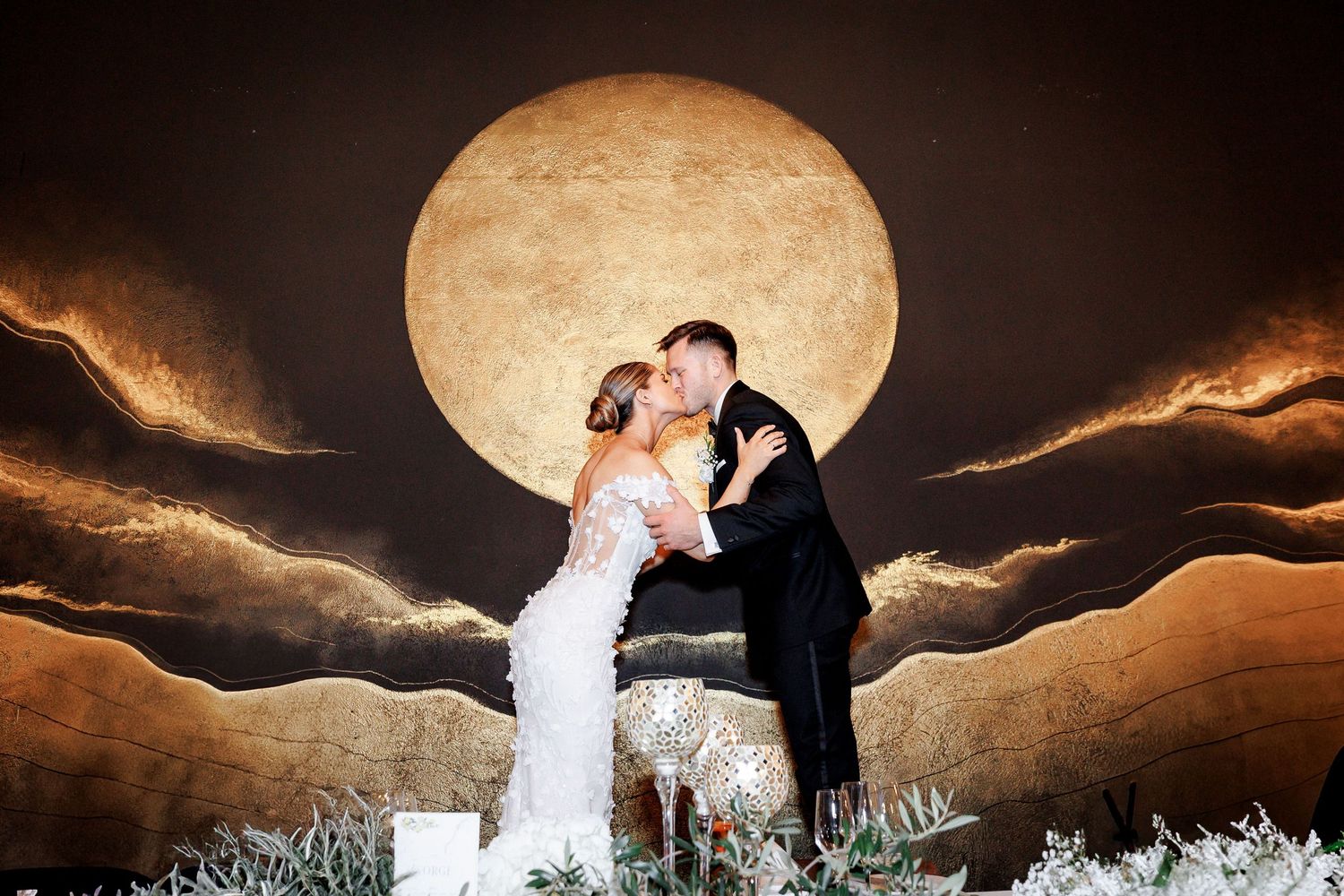
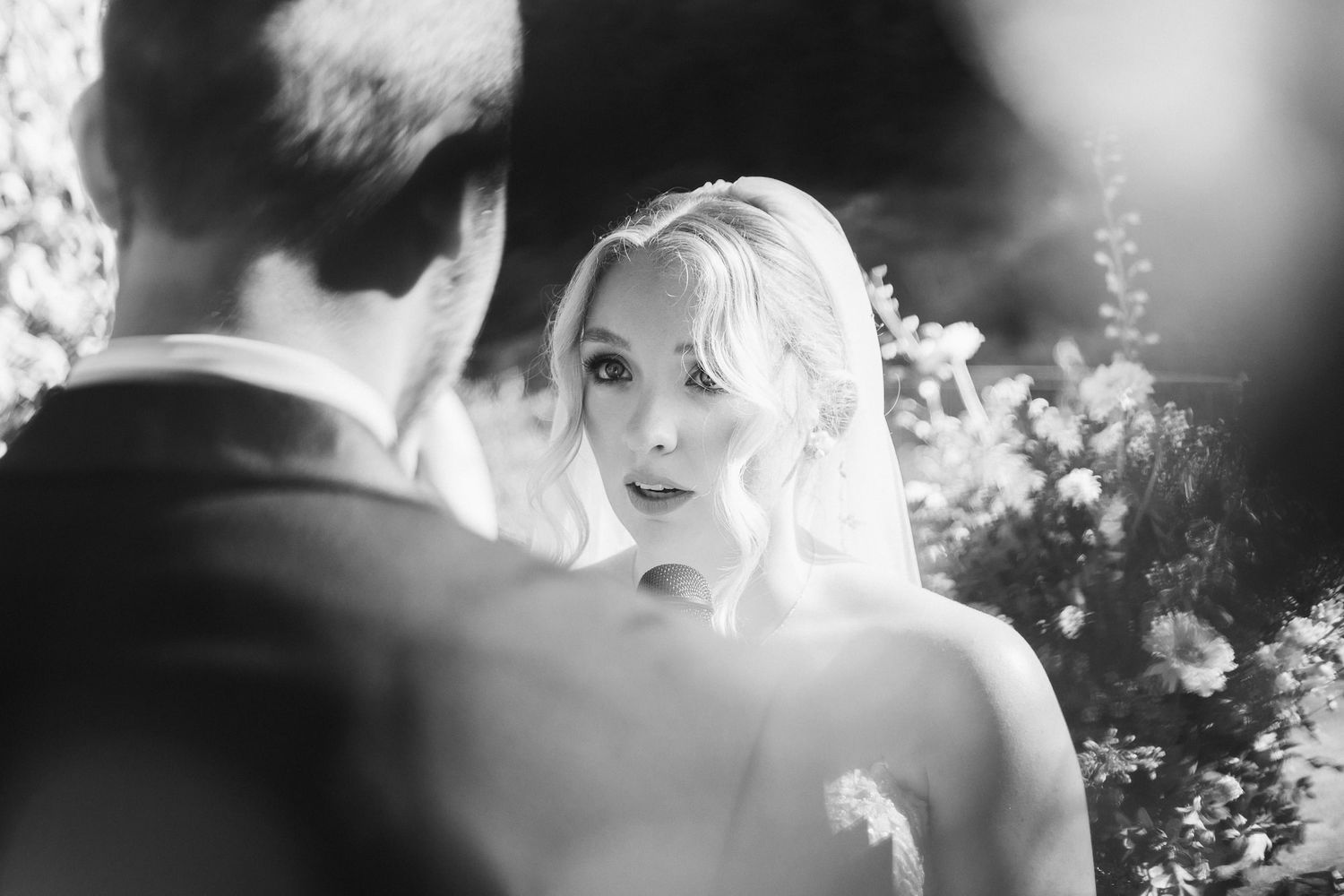
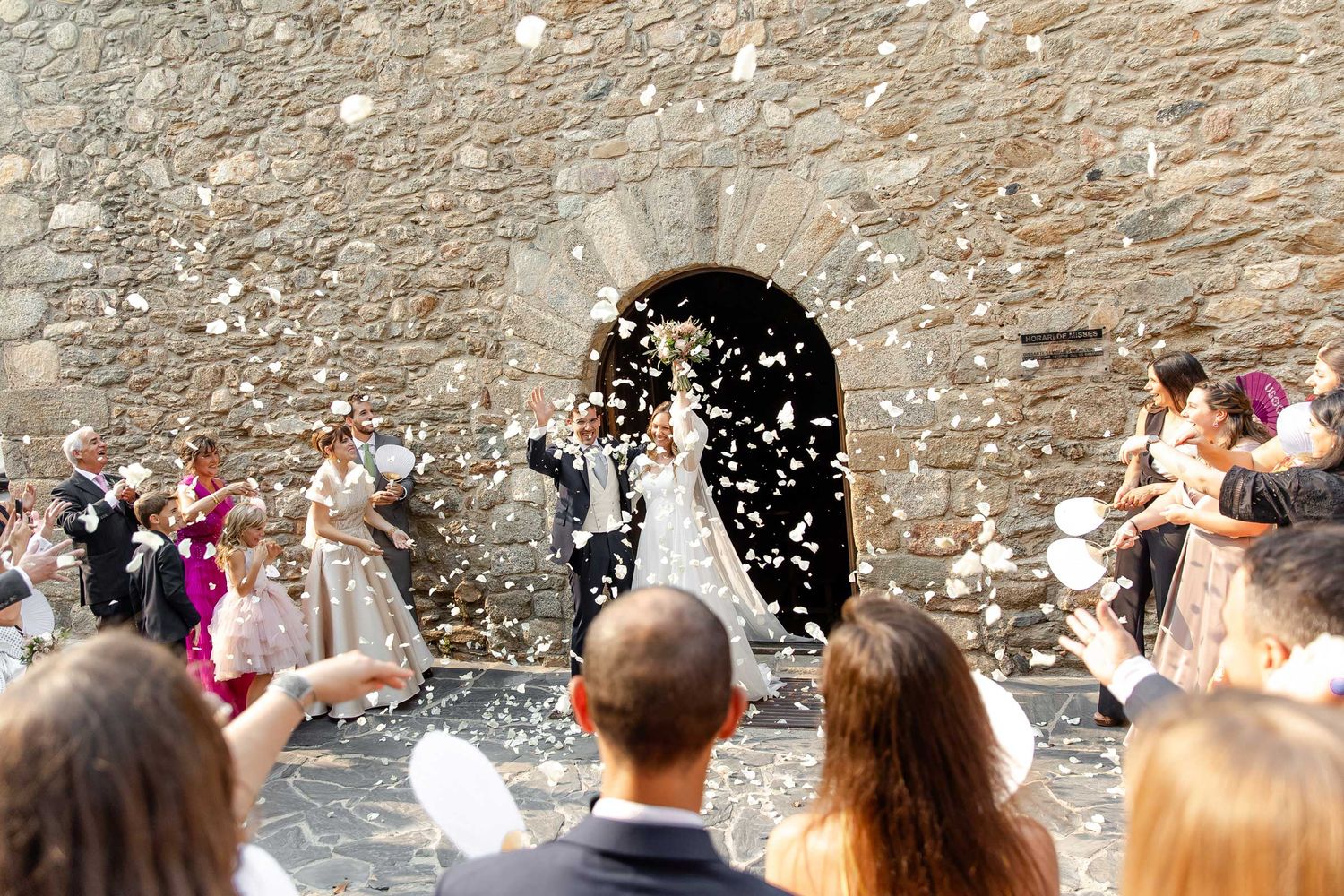
Types Of Wedding Ceremonies In Spain
Civil Wedding
A legally binding marriage conducted at a town hall (Registro Civil) or other approved venue. This option requires official documentation and, in most cases, proof of residency.
Religious Wedding
Usually held within the Catholic Church, this ceremony is also legally recognized. It involves additional preparation and coordination with the church.
Symbolic Wedding
The most popular choice for destination couples. This option has no legal requirements, offering complete flexibility in both format and location—allowing you to celebrate your wedding anywhere you choose.
What Documents Do You Need For a Legal Marriage?
If you do decide to get legally married in Spain, you’ll usually need documents such as:
- passports
- birth certificates
- a certificate of no impediment or equivalent document
- proof of residency, where required
Depending on where you’re from and where you’re getting married, there may be additional requirements. Documents issued outside Spain will generally need to be translated into Spanish and officially legalized or apostilled. Because the exact requirements can vary, it’s always worth checking with the relevant Spanish authority or working with a local wedding planner who can guide you through the process.
When is the best time to get married in Spain?
- Spring (April–June): Mild temperatures, blooming landscapes, and ideal conditions for outdoor celebrations.
- Autumn (September–October): Soft, flattering light and fewer crowds, creating a more intimate experience.
- Summer: Beautiful and lively, though typically hot—perfect for seaside weddings and long, sun-filled days.
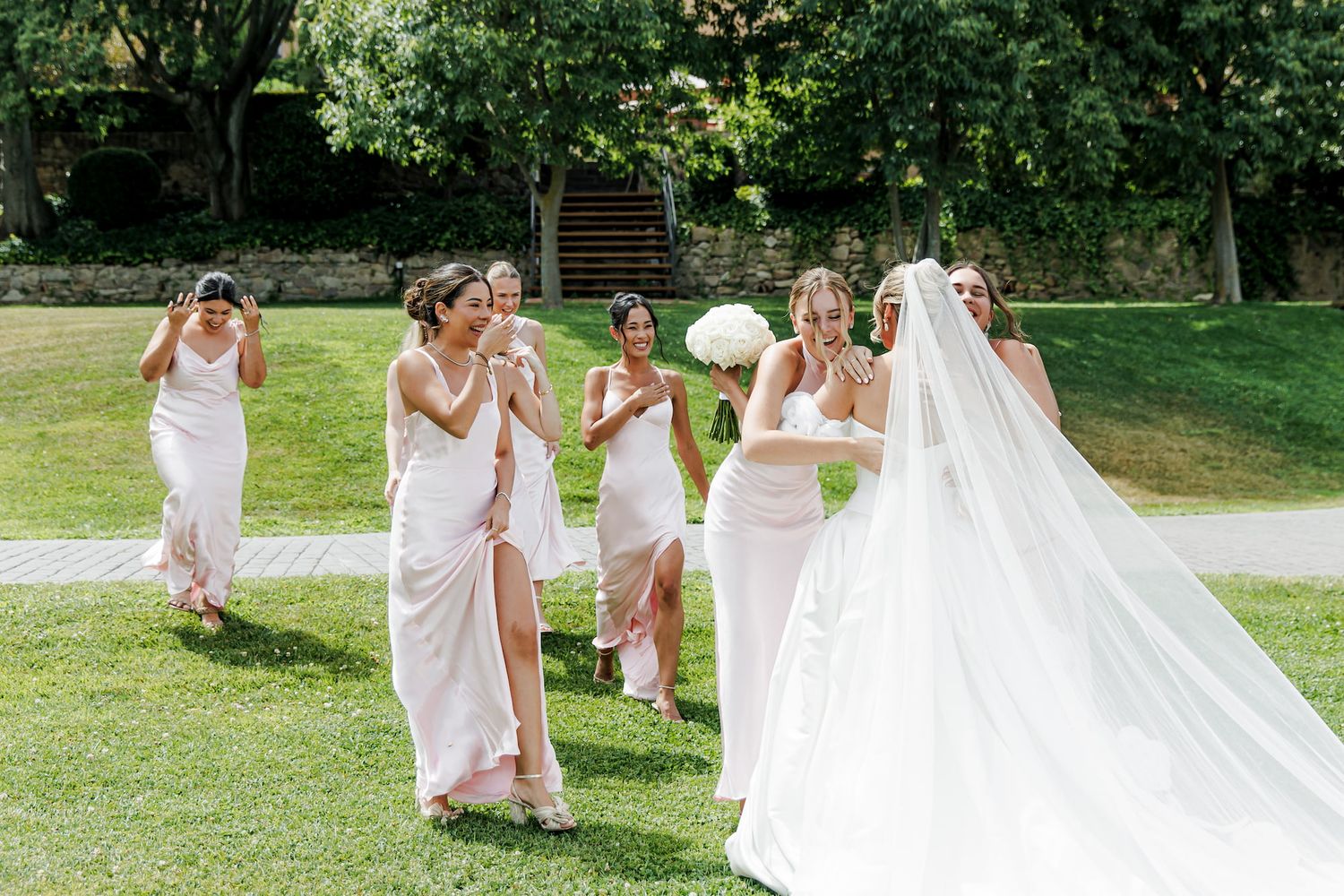
Planning a Destination Wedding in Spain?
Planning a wedding in another country can feel like a lot at first. There are venues to choose, guests to coordinate, travel to organize, and a million little decisions in between (we have all seen those fun TikToc videos, right?). But you don’t have to figure everything out at once.
The most important thing is to build a team you trust and give yourself enough time to plan. And if the legal side starts feeling overwhelming, remember that you don’t necessarily have to have the legal ceremony in Spain to have a beautiful and meaningful wedding here.
For more ideas and practical advice, have a look at some of my other guides:
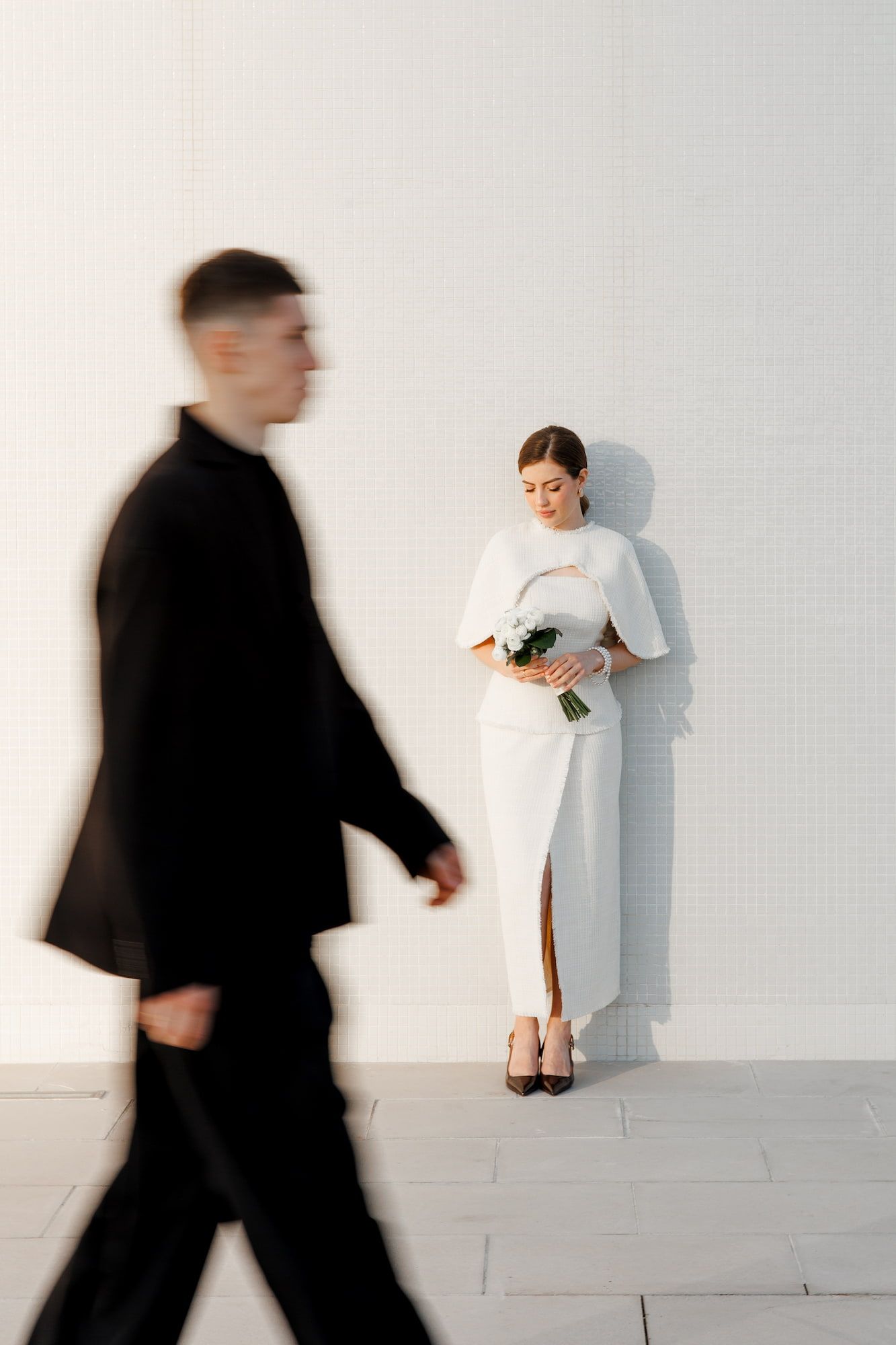
And if you’re planning a wedding in Spain and want photographs that feel natural, personal, and true to the way the day actually felt, I’d love to hear about your plans.
Let’s make sure you have something beautiful to look back on, not just how your wedding looked but how it felt to be there.